What Is Xnañga? Meaning of the Misspelled Search Term Explained (2026 Guide)

If you typed “xnañga” into Google and got a confusing mix of results — a dead blogging site, a Japanese jacket brand, an insect species — you’re not alone. Around 33,000 people search this exact term every month, and almost none of them find a straight answer. This guide explains what xnañga means, why that little ñ shows up, and why your search results look so random.
What Does “Xnañga” Actually Mean?

Let’s get the short answer out of the way first: xnañga is not a real word, and it is not a website. It is a common misspelling of “xnalgas” — and once you break that word apart, the mystery disappears.
The term splits into two parts:
- “X” — a prefix often used in website branding (think of how many sites start with X).
- “Nalgas” — a Spanish word meaning “buttocks.” The Real Academia Española, the official authority on the Spanish language, defines “nalga” as each of the two fleshy, rounded portions that make up the buttocks.
Put together, “xnalgas” is the name of a Spanish-language adult website. Google understands that people who type “xnañga” are almost always trying to reach that site — which is why the site itself ranks #1 for the misspelled version. The search engine quietly corrects your typo and shows you what you meant.
Why Does the Ñ Appear? The Typo Explained
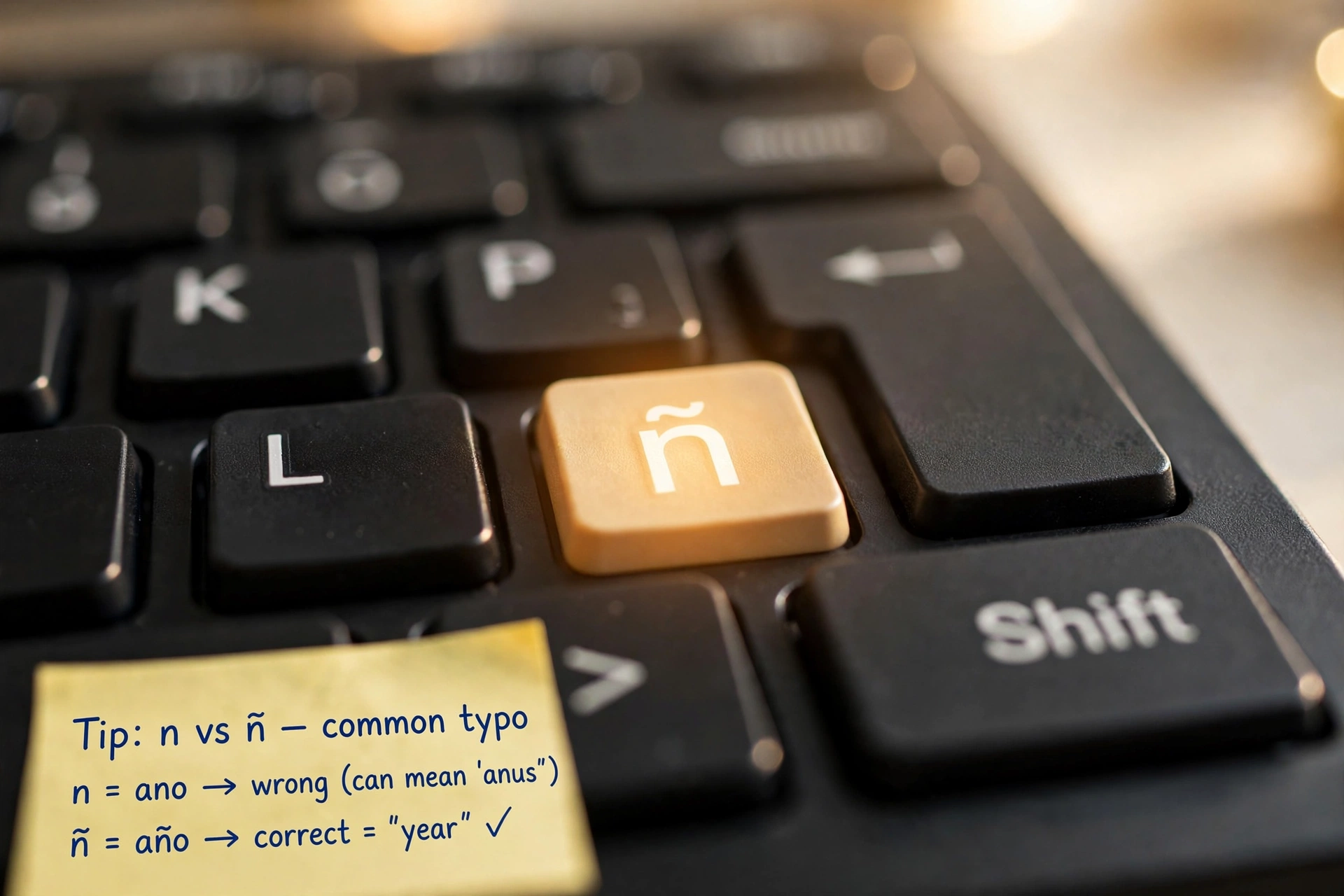
So how does an “ñ” sneak into the middle of the word? The answer is sitting right under your thumbs.
Spanish keyboards have a dedicated ñ key. On a Spanish-layout physical keyboard, ñ sits right next to L — exactly where your finger lands when typing quickly. On phone keyboards with Spanish language enabled, autocorrect is also aggressive about inserting ñ into words, because so many Spanish words contain it.
Now consider the numbers: roughly 88–93% of the traffic for this keyword cluster comes from mobile phones, and the audience is concentrated in Spanish-speaking regions — the US Hispanic community, the Dominican Republic, Colombia, Mexico, and Spain. Millions of people typing fast on small screens with Spanish autocorrect on: the “xnañga” typo was practically inevitable.
Is Xnañga a Website?
No. There is no meaningful “xnañga.com” or official site under that name. It exists only as a search variant — a string of characters people type when they miss a key. Search data confirms this: the whole cluster of variants points at one destination.
| Search variant | Monthly searches |
|---|---|
| xnalgas | ~201,000 |
| xnalga | ~40,500 |
| xnañga | ~33,100 |
| x nalgas | ~2,400 |
If you saw the word somewhere — a comment, a meme, a message — and searched it out of curiosity, now you know: it was almost certainly the typo version of “xnalgas.”
Why Do the Search Results Look So Random?
Here’s the strange part: search “xnañga” and Google shows you a defunct blogging platform, an outdoor clothing brand, even a species of insect. Why?
Because no page on the internet actually targets or explains the term “xnañga.” When Google has no good match, it guesses at near-matches by sound and spelling:
- Xanga — a US blogging and social networking site launched in 1999 and shut down in 2013. It ranks purely because it sounds like the query.
- NANGA — a Japanese outdoor brand founded in 1941, famous for down jackets and sleeping bags. It matches the “nanga” fragment.
- Hydropsyche xenga — a species of caddisfly (an insect). Yes, really.
- Nganga — a traditional African healer and herbalist, per Spanish-language encyclopedias.
None of these have anything to do with what you searched. They’re filler — symptoms of a search term nobody has bothered to explain. Until now.
Not to Be Confused With: “Ñanga”
One more twist: “ñanga” is a genuine Spanish word — just not this one. According to Spanish dictionaries:
- In Honduras, “ñanga” can refer to a muddy-soil estuary.
- In Ecuador, it means a crumb or pinch (and the outer root of the mangrove).
- In Mexico, the related “ñango/ñanga” describes a skinny, weak person or animal.
So if a Spanish speaker asks “¿qué significa ñanga?”, they get a completely different answer. Another reason this corner of the internet is so confusing.
Staying Safe When Searching Misspelled Terms

Misspelled adult-brand terms are one of the oldest tricks for typosquatting — registering lookalike domains to serve malware, phishing pages, or aggressive pop-ups to people who mistype a URL. A few habits that keep you safe:
- Check the URL before you click. If you meant one site and the address looks slightly off, don’t open it.
- Use SafeSearch. Google’s SafeSearch setting filters explicit results out of your searches — useful on shared or family devices.
- Don’t trust random “top 10” listicles for unfamiliar terms. Some ranking pages for these keywords live on hacked or low-quality domains stuffed with ads.
- When in doubt, search the plain dictionary meaning first. Understanding the word (like we did with “nalgas” above) usually answers the question without visiting anything sketchy.
Frequently Asked Questions
Is xnañga the same as xnalgas?
Effectively, yes — xnañga is just a misspelling of xnalgas, and Google treats both queries the same way.
Does “xnañga” mean anything in Spanish on its own?
No. The meaningful part is “nalgas” (buttocks). The ñ version is purely a typo, not a separate word.
Why do I keep seeing this word?
Most likely you encountered the typo in a comment, ad, or message, and your curiosity did the rest. With 33,000+ monthly searches, you’re far from the only one.
Is it safe to click results for xnañga?
The top result is simply the site Google maps the typo to. But be cautious with lookalike domains and spammy listicles further down the page — check URLs first.
The Bottom Line
“Xnañga” is a typo — a Spanish-keyboard slip that turned “xnalgas” into a 33,000-searches-a-month mystery. There’s no hidden website, no secret meaning: just an ñ where an n should be, multiplied by millions of mobile keyboards. Now the next time you see it, you’ll know exactly what happened.
Curious about other mysterious search terms? Read our explainer on how to stay safe when looking up unfamiliar terms online — it breaks down another viral keyword and the safety habits worth knowing.